Plant Nutritional Genomics, 1st Edition
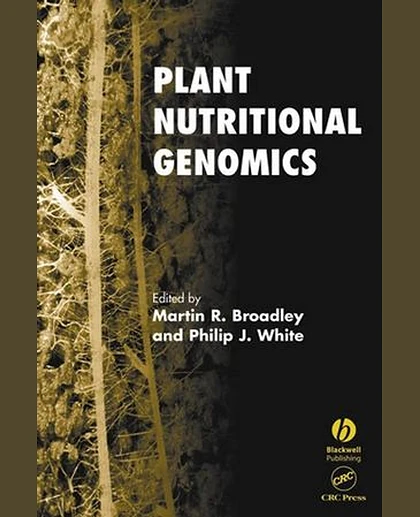
Plant Nutritional Genomics, 1st Edition
Summary
A ‘textbook’ plant typically comprises about 85% water and 13.5% carbohydrates. The remaining fraction contains at least 14 mineral elements, without which plants would be unable to complete their life cycles. Understanding plant nutrition and applying this knowledge to practical use is important for several reasons. First, an understanding of plant nutrition allows fertilisers to be used more wisely. Second, the nutritional composition of crops must be tailored to meet the health of humans and livestock. Third, many regions of the world are currently unsuitable for crop production, and an understanding of plant nutrition can be used to develop strategies either for the remediation of this land or for the cultivation of novel crops. That application of knowledge of plant nutrition can be achieved through genotypic or agronomic approaches. Genotypic approaches, based on crop s