Stress and Environmental Regulation of Gene Expression and Adaptation in Bacteria, 1st Edition
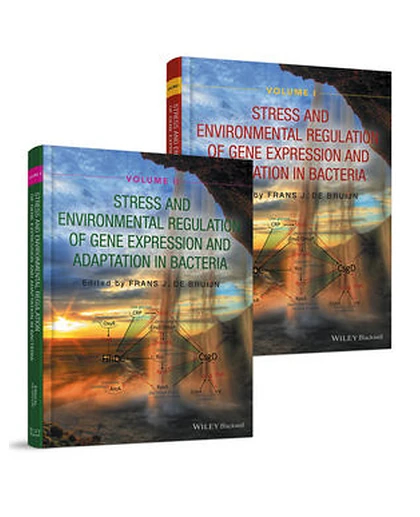
Stress and Environmental Regulation of Gene Expression and Adaptation in Bacteria, 1st Edition
Summary
Bacteria in various habitats are subject to continuously changing environmental conditions, such as nutrient deprivation, heat and cold stress, UV radiation, oxidative stress, dessication, acid stress, nitrosative stress, cell envelope stress, heavy metal exposure, osmotic stress, and others. In order to survive, they have to respond to these conditions by adapting their physiology through sometimes drastic changes in gene expression. In addition they may adapt by changing their morphology, forming biofilms, fruiting bodies or spores, filaments, Viable But Not Culturable (VBNC) cells or moving away from stress compounds via chemotaxis. Changes in gene expression constitute the main component of the bacterial response to stress and environmental changes, and involve a myriad of different mechanisms, including (alternative) sigma factors, bi- or tri-component regulatory systems