The Neuroscience of Visual Hallucinations, 1st Edition
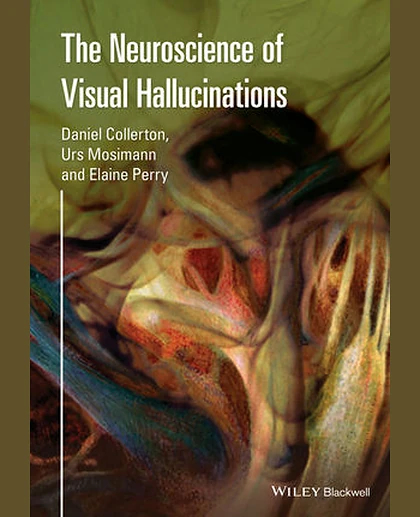
The Neuroscience of Visual Hallucinations, 1st Edition
Summary
Each year, some two million people in the United Kingdom experience visual hallucinations. Infrequent, fleeting visual hallucinations, often around sleep, are a usual feature of life. In contrast, consistent, frequent, persistent hallucinations during waking are strongly associated with clinical disorders; in particular delirium, eye disease, psychosis, and dementia. Research interest in these disorders has driven a rapid expansion in investigatory techniques, new evidence, and explanatory models. In parallel, a move to generative models of normal visual function has resolved the theoretical tension between veridical and hallucinatory perceptions. From initial fragmented areas of investigation, the field has become increasingly coherent over the last decade. Controversies and gaps remain, but for the first time the shapes of possible unifying models are becoming clear, along