Cell Hybrids, 1st Edition
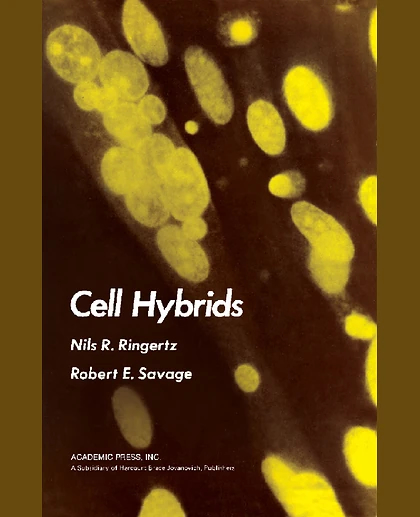
Cell Hybrids, 1st Edition
Summary
Cell Hybrids summarizes the methodology of cell fusion—the fusion of human, animal, and plant cells of different origins to produce cell hybrids—and surveys the main applications and current findings of the hybridization technique. The book opens with a chapter on the history cell hybridization. This is followed by separate chapters on spontaneous cell fusion, virus-induced cell fusion, the cell fusion mechanism, regulation of DNA synthesis and mitosis in heterokaryons and homokaryons, and regulatory events which occur when two cells with different nuclear activity and/or phenotype are fused with each other. Subsequent chapters deal with methods used in preparing various cell fragments and some of their properties and uses in fusion experiments; isolation of growing hybrid cells; chromosome patterns and phenotypic expression in hybrid cells; cell organelles in hybrid cells; analysis of malignancy by cell hybridization. The final chapters discuss the use of somatic cell hybridization to analyze the interaction between a number of viruses and their host cells; and the use of plant cell hybrids.