Intervention Research: Designing, Conducting, Analyzing, and Funding
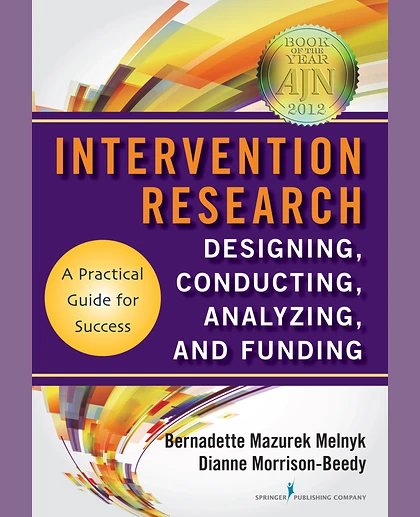
Intervention Research: Designing, Conducting, Analyzing, and Funding
Summary
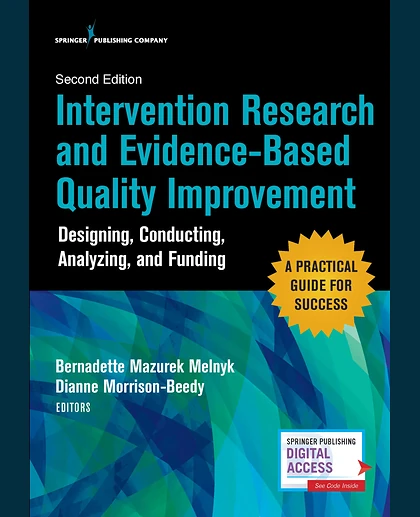
This book is a guide that can assist others in successfully making a difference through intervention research. It also provides examples of successfully funded grants. The book is divided into five parts and is organized in the order in which research activities occur starting with how to use theory to start a project and moving through study design, settings, data management and analysis, the nitty-gritty of dealing with the Institutional Review Board (IRB) and funding agencies, and finally translating the findings into the real world. Part I presents discussions on designing intervention studies, designing interventions sensitive to culture, race/ethnicity, and gender, ethical considerations, threats to internal and external validity, and measurements including biological measurements of intervention research. A true experiment or randomized controlled trial (RCT) is the strongest type of intervention study for testing cause and effect relationships. The second part covers a wide variety of topics ranging from the development of budget for intervention studies including pre-award budget considerations and post-award budget management, participant recruitment and retention to conducting interventions in specialized conditions such as community settings, public health settings, school settings, acute care settings, long-term care settings and palliative care settings, and to data management. While Part III is devoted to analyzing intervention studies including discussions on cost-effectiveness analyses, Part IV focuses on writing of grants and submission of progress and final reports. The last part of the book deals with dissemination of findings and translation of evidence-based interventions.