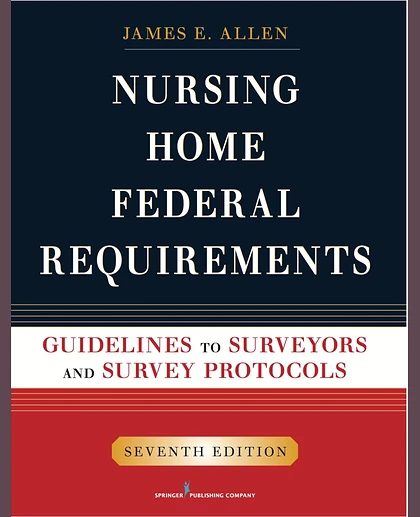
Nursing Home Administration, 7th Edition
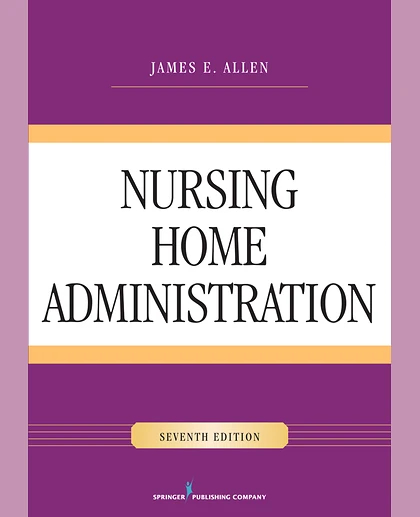
Nursing Home Administration, 7th Edition
Summary
This book helps readers to learn how to become an effective nursing home administrator. First and foremost, the nursing home administrator is the leader of the facility. His or her management style impacts facility life every day. The book explores what management is: what managers do and how to think and function as a manager. The art of management is broken down into its basic functions: forecasting, planning, organizing, staffing, directing, controlling quality, innovating, and marketing. Each of these basic functions is explored in depth. When the reader has mastered an understanding of these functions, he or she is prepared with the basic skills needed to be the administrator of a facility. The book then explains how to plan employment needs and to recruit, train, evaluate, pay, and discipline staff and how the financial system works and the risks assumed in operating a health care facility. The administrator functions within the framework of federal, state, and local laws. The major laws that control day-to-day life in the facility are explored, such as labor laws, workplace safety laws, and the Americans with Disabilities accessibility guidelines for nursing facilities. Successfully administering a nursing home is one of the most complex and challenging tasks that can be undertaken and one of the most rewarding professional commitments available in the health care field. The nursing home administrator and the director of nursing are uniquely responsible for the quality of care and quality of life of the residents/patients and staff in their facility. The licensed nursing home administrator is qualified to be the successful administrator of a hospital and all the health care organizations in the long-term care continuum: life care communities, home health agencies, hospice, assisted living, and senior living centers.