EMDR and the Art of Psychotherapy With Children: Infants to Adolescents, 2nd Edition
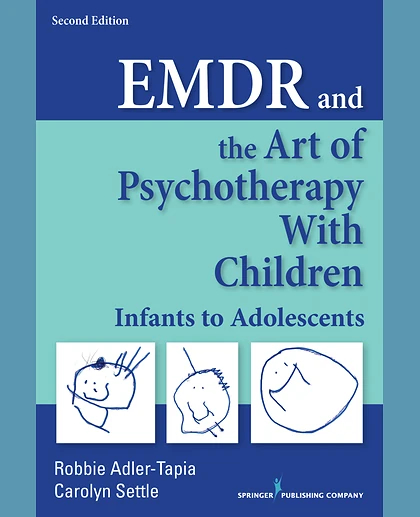
EMDR and the Art of Psychotherapy With Children: Infants to Adolescents, 2nd Edition
Summary
With Eye Movement Desensitization and Reprocessing (EMDR) treatment, children can overcome their low self-esteem; control their impulses; modify their behaviors in school; change their relationships with peers, teachers, and family members; organize their lives; and, essentially, change their low opinions of themselves. This book focuses on providing advanced training and support for therapists to be successful in using EMDR with child clients, and documents a standardized protocol for using EMDR with children for training and research purposes. It begins with a review of Adaptive Information Processing (AIP) theory applied to EMDR with children and an abbreviated review of research on using EMDR with child clients. The second chapter explains how to get started using EMDR, before describing the steps in the EMDR protocol in case conceptualization with child clients. Six other chapters explain the goals for the specific phases of the EMDR protocol, with directions for each session, instructions for the therapist, and finally, a script for therapists to use with child clients. The phases include discussions on case conceptualization, preparation, assessment, desensitization, installation, body scan and closure, and reevaluation. The Assessment Phase of EMDR therapy includes specific procedural steps including distilling the core belief schema including negative cognition (NC) and positive cognition (PC). Additional chapters describe advanced management skills for using EMDR with special populations and explore cognitive interweaves (CI) to help the therapist when the child/teen experiences blocked processing.