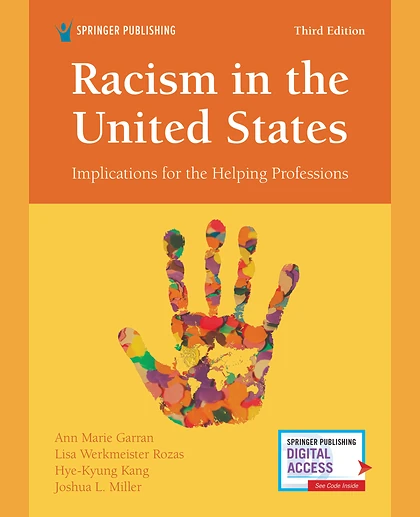
Racism in the United States: Implications for the Helping Professions, 2nd Edition
Racism in the United States: Implications for the Helping Professions, 2nd Edition
Summary
This book examines how racism exists outside of people, as well as inside of them, for the authors believe that health and human service workers must confront racism in both of these sites. They are ethically obligated to work for a society of fairness and social justice and to provide culturally responsive services to all of their clients, ensuring equal access and quality for all. They also recognize, however, the insufficiency of focusing solely on social structures, services, institutional practices, or on changing other people. They must look within and explore their own wounds, biases, and stereotypes, as these surely will affect how they view themselves and those whom they are committed to helping. Thus, the book pursues both themes, analyzing the social and psychological dynamics of racism. It presents theories of racial, ethnic, and social identity, links these concepts with theories about group membership and intergroup relationships and conflict. The book then explores the impact of racial identity and group membership on clients and practitioners and offers an intersectional model of racial identity formation for human service professionals. Racism does not exist in a social vacuum. Racial identity is linked to other aspects of social identity, including gender, class, sexual orientation, citizenship status, and immigration experiences. The book explores the interaction and relationship between race and racism and other facets of social identity and forms of social oppression. It also focuses on the dynamics of racism in communities and how human service professionals can intervene effectively, and looks at how race and racism influence clinical work.