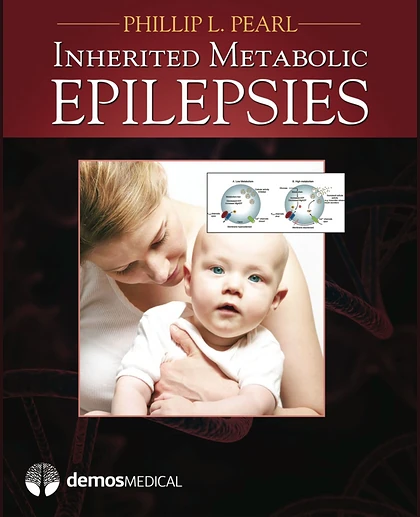
Inherited Metabolic Epilepsies, 2nd Edition
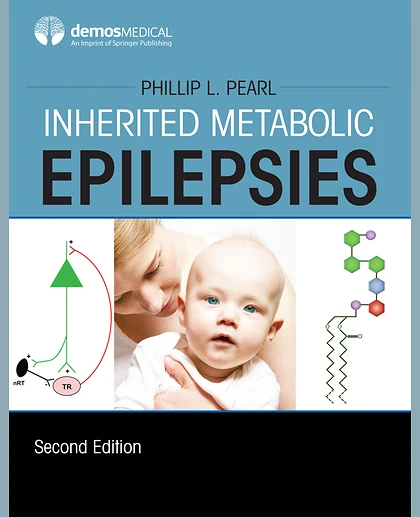
Inherited Metabolic Epilepsies, 2nd Edition
Summary
Inherited metabolic epilepsies represent a diverse group of disorders of inborn errors of metabolism in which epilepsy is a clinically significant component. This book, organized into six parts containing 43 chapters, is based on a sequential exposition of general principles, basic science, clinical science, small molecule disorders, large molecule disorders, and conclusions. Part I describe recognition, scope, and implications of inherited metabolic epilepsies and provides an overview of metabolic disease. Part II covers principles and mechanisms of metabolic epilepsies, metabolic energetics, an approach to molecular pathways with emphasis on the ubiquitous mechanistic target of rapamycin (mTOR) pathway that governs cellular proliferation and has implications from central nervous system (CNS) development to degeneration, excitatory/inhibitory imbalance that is at the heart of epilepsy, chaperone proteins representing a novel approach to metabolism, and neurophysiologic studies aimed at measuring neurotransmission. Part III explores neuroimaging including spectroscopy, electroencephalography, neuropathology, genomic technology, and use of the ketogenic diet in metabolic epilepsies. Individual disorders are categorized with the small versus large molecule format, with special emphasis given to certain metabolic disorders to highlight their unique characteristics. Part IV describes small molecule diseases such as amino and organic acid disorders, urea cycle disorders, pyridoxamine 5´-phosphate oxidase (PNPO) deficiency, disorders of GABA metabolism, DEND syndrome, Lesch-Nyhan disease to name a few. Part V presents large molecule diseases such as congenital disorders of glycosylation, lysosomal storage diseases, peroxisomal diseases, and leukodystrophies. The conclusion part covers diagnostic and therapeutic approaches, genetic counseling, family resources, and an algorithmic clinical approach to inherited metabolic epilepsies. The book will educate physicians, particularly specialists and trainees in pediatric and adult neurology, neurodevelopmental disabilities, epilepsy, and genetics, while caring for patients with inherited metabolic epilepsies, as well as spur further research into basic mechanisms and clinical trials in this group of maladies.