Evidence-Based Geriatric Nursing Protocols for Best Practice, 5th Edition
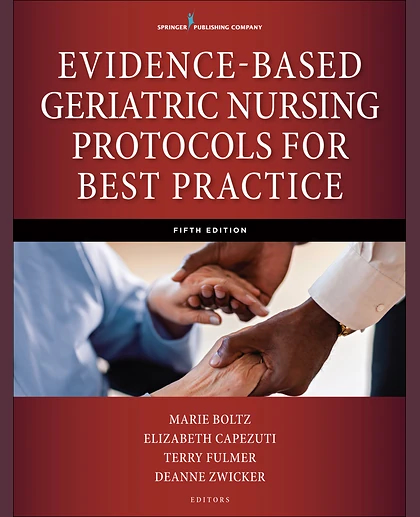
Evidence-Based Geriatric Nursing Protocols for Best Practice, 5th Edition
Summary
This book delivers current guidelines, real-life case studies, and evidence-based geriatric nursing protocols developed by master educators and practitioners. With a focus on improving quality of care, cost-effectiveness, and outcome, the book is updated to provide the most current information about care of common clinical conditions and issues in older adults. It presents current guidelines about hip fractures, frailty, perioperative and postoperative care, palliative care, and senior-friendly emergency departments. Hip fracture is the most devastating of all fragility fractures with risk of long-lasting disability and significant morbidity and mortality. Older adults undergoing surgical repair of a fragility hip fracture constitute a high-risk population for developing pressure ulcer. Older adults with fragility hip fracture are at increased risk of developing a urinary tract infection. The high proportion of complications in older hospitalized patients is partly attributed to the lack of evidence-based geriatric care practices. The Hospital Elder Life Program (HELP) is an intervention program using clinicians working together as an interprofessional team with trained volunteers who target risk factors for delirium. Transitional care models (TCM) address the needs of older adult patients with complex medical and social needs and their caregivers as they move from hospital to post acute care. Palliative care focuses on quality of life and can be provided concurrently with life-sustaining therapies. As health care reform continues, palliative care will be essential in promoting patient-centered, family-focused care in accordance with patient preferences.