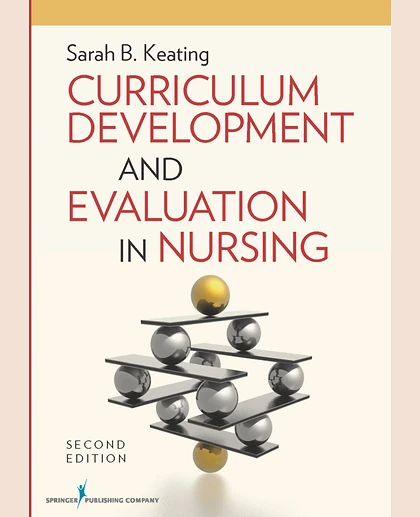
Curriculum Development and Evaluation in Nursing Education, 4th Edition
Curriculum Development and Evaluation in Nursing Education, 4th Edition
Summary
This book devotes itself to the underlying theories, concepts, and science of curriculum development and evaluation in nursing education as separate from the art and science of teaching and instructional processes. It targets both novice and experienced faculty and nursing education students. The curriculum provides the goals for an educational program and guidelines for how they will be delivered and ultimately, evaluated for effectiveness. The book discusses some major theories and concepts that relate to instructional strategies but only in light of their contributions to the implementation of the curriculum plan. The book places a fictitious case study of a needs assessment and subsequent program development in the Appendix. The book is organized into five sections. Section I presents an overview of nursing education. Section II describes needs assessment and presents a discussion of the finances related to curriculum development and budget management. Section III begins with a description of the classic components of the curriculum. It discusses learning theories, educational taxonomies, and critical thinking as they apply to nursing and then describes the current undergraduate and graduate programs available in nursing in the United States. The section ends with the impact of technology, informatics, and online learning. Section IV presents an overview of program evaluation, regulatory agencies, and accreditation to close the loop on the processes of curriculum development and evaluation. The final section reviews the literature for research on nursing education as it relates to curriculum development and evaluation. Research questions are raised from the review and suggestions offered for further study based on the National League for Nursing’s identification of research priorities for nursing education. The final chapter of the section summarizes the chapters and raises issues and challenges for nursing educators.