Research Methods for Public Health, 2nd Edition
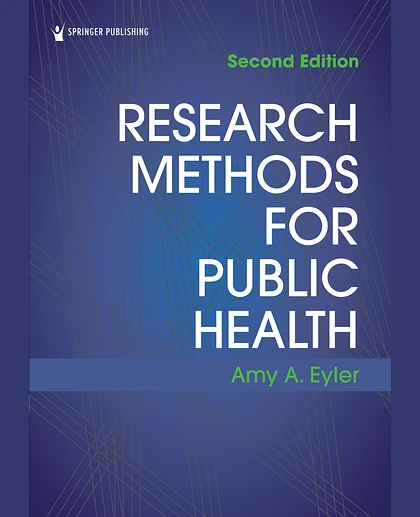
Research Methods for Public Health, 2nd Edition
Summary
This book guides students through the research process in a clear and direct way. Each section and chapter builds upon each other, creating a useful guide to learning about and conducting public health research. The content is complemented by real-world examples and applied learning activities so students not only learn the material but can practice it. It presents information on research methods in a way that is complementary to other public health coursework. Epidemiology digs deep into specific methods for identifying distribution and determinants of health issues. An understanding of basic research methods serves as a foundation for mastery of epidemiology. Biostatistics is another component of public health preparation. The basic statistical concepts covered in this book can supplement more advanced learning. In addition, skills such as understanding and summarizing research articles come in handy for many classes in undergraduate and graduate study. This second edition reflects the changing research landscape and incorporates topics such as artificial intelligence and COVID-19. It also includes a new chapter on dissemination and implementation science which gives readers a foundation for learning more about this part of public health research. Each chapter aligns with the Council on Education for Public Health Master of Public Health Competencies, focusing on information that can be used in competency assessment. Even though the topics within each chapter could fill an entire book, the material presented is thorough, yet concise to provide foundational knowledge for research skill application. Each chapter provides enough information for students to confidently plan and conduct a basic research project, which is often a requirement of research methods courses. Additional resources and examples are provided throughout the book to help guide students through their own research exploration. The chapters also include ancillary information and examples relevant to each topic.