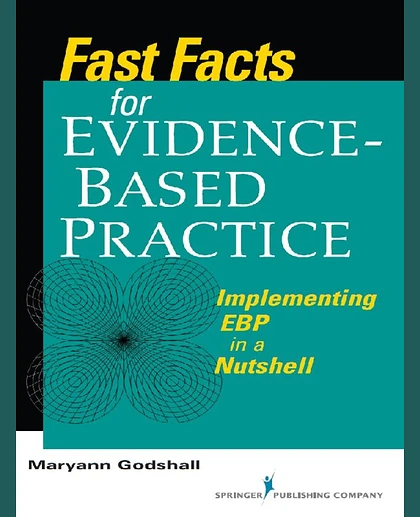
Fast Facts for Evidence-Based Practice in Nursing: Implementing EBP in a Nutshell, 2nd Edition
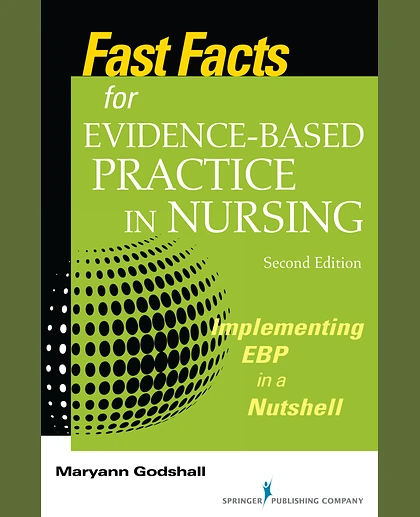
Fast Facts for Evidence-Based Practice in Nursing: Implementing EBP in a Nutshell, 2nd Edition
Summary
Evidence-based practice (EBP) is based on a comprehensive review of research findings that emphasizes intervention, randomized clinical trials (RCTs), integration of statistical findings, and critical decision making about the findings based on the strength of the evidence, tools used in the studies, and cost. This book aims to assist both the experienced bedside nurse and the recent graduate in understanding EBP and in embracing its implementation as a means of improving the quality of patient care. It reviews the process of EBP, which involves defining a clinical situation of interest, formatting a good clinical question, conducting a literature search, reading and critiquing research findings or published research reports (or both), and deciding if the “evidence” warrants a change in practice. The book also reviews basic research terms and principles. In developing an EBP project, one could also consider questions that might build on current nursing theory. A basic history of nursing research and steps in the research process includes information on quantitative studies, qualitative studies, and nonexperimental research. Four types of qualitative research designs are discusses: phenomenological, ethnological, grounded theory, and historical. The book also helps the readers to learn how to examine other examples of qualitative studies, including case studies, community-based participatory action research, feminist research, and narrative research. It talks about the Hawthorne effect, print and electronic sources, the pediatric population in the pediatric intensive care unit (PICU), and the population, intervention, comparison and outcome (PICO)/T method for population of interest determination.