The Olympics: A Critical Reader
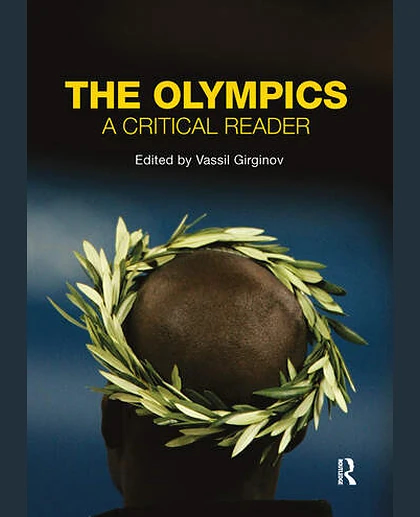
The Olympics: A Critical Reader
Summary
The Olympics: A Critical Reader represents a unique, critical guide to the definitive sporting mega-event and the wider phenomenon it represents – Olympism. Combining classic texts and thoughtful editorial discussion with challenging new pieces, including previously unseen material, the book systematically addresses the key questions in modern Olympism, including:
• what does studying Olympism entail?
• how do historical accounts create and challenge Olympic myths?
• how do different theoretical perspectives inform our understanding of Olympism?
• which socio-political processes influence personal, collective and imagined Olympic identities?
• how do we experience and make sense of Olympism?
• who owns Olympism and why does it matter?
• how do cities compete for and celebrate the Olympics?
• how are the Olympic values promoted?
• why is it important to protect the ethical principles and properties of Olympism?
• what are the grounds for contesting Olympism?
• how can Olympism be taught?
• how can the principles and practices of Olympism be sustained in the future?
Each thematic part has been designed to include a range of views, including background treatment of an issue as well as critical scholarship, to ensure that students develop a well-rounded understanding of the Olympic phenomenon. The Olympics: A Critical Reader is essential reading for students of the Olympics and Olympism, the sociology of sport, sport management and cultural studies.