The Environment in American History: Nature and the Formation of the United States
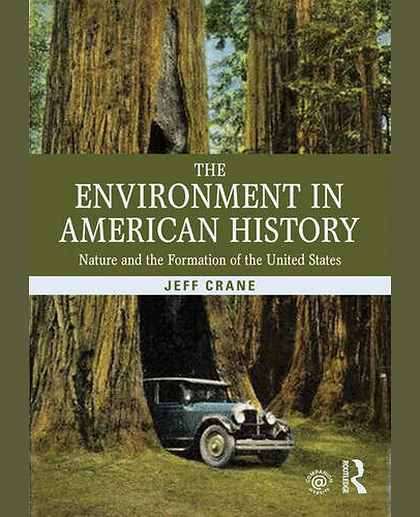
The Environment in American History: Nature and the Formation of the United States
Summary
From pre-European contact to the present day, people living in what is now the United States have constantly manipulated their environment. The use of natural resources – animals, plants, minerals, water, and land – has produced both prosperity and destruction, reshaping the land and human responses to it. The Environment in American History is a clear and comprehensive account that vividly shows students how the environment played a defining role in the development of American society.
Organized in thirteen chronological chapters, and extensively illustrated, the book covers themes including:
• Native peoples’ manipulation of the environment across various regions
• The role of Old World livestock and diseases in European conquests
• Plantation agriculture and slavery
• Westward expansion and the exploitation of natural resources
• Environmental influences on the Civil War and World War II
• The emergence and development of environmental activism
• Industrialization, and the growth of cities and suburbs
• Ecological restoration and climate change
Each chapter includes a selection of primary documents, and the book is supported by a robust companion website that provides further resources for students and instructors. Drawing on current scholarship, Jeff Crane has created a vibrant and engaging survey that is a key resource for all students of American environmental history.