
Gandhi and the Ali Brothers: Biography of a Friendship, 1st Edition
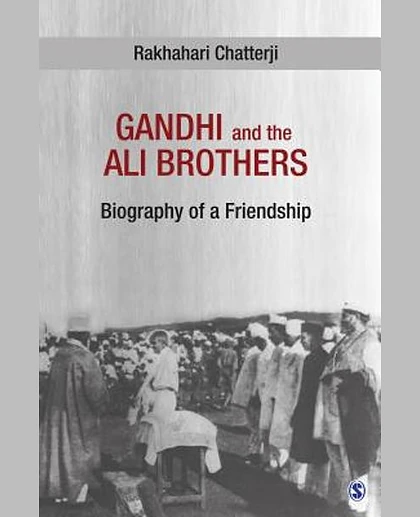
Gandhi and the Ali Brothers: Biography of a Friendship, 1st Edition
Summary
Gandhi's notion of multicultural nationalism, in the 1920s, was too early for its time. The world was in a flux; the map of Europe was being redrawn on 'ethnic nationalism', the foundation then for self-determination of the people and the politics of the nation. It would require many tragedies of the twentieth century, many exposures of criminal nationalism, from Nazism in Germany to ethnic cleansing in the Balkans, to make a case for tolerance and multicultural nationhood that Gandhi had aspired for. By mid-1920s, Muslims in India have realized their political interest as distinguished from Hindu interests; Hindus and Muslims broke out in frequent communal violence. Despite this, Gandhi stated, with brimming confidence-as he still had faith in his alliance with the Alis-that he was 'striving to be the best cement between the two communities'. Three years later, in 1927, Gandhi had to beat a retreat, declaring, 'I dare not touch the problem of Hindu-Muslim unity. It has passed out of human hands, and has been transferred to God's hands alone.' The Gandhi-Ali brothers' alliance had fallen through; the last major attempt at a Hindu-Muslim unity within a political framework till India went on to see the horror of the Partition of India in 1947. Book jacket.