Muslim Brotherhood and Egypt's Succession Crisis: The Politics of Liberalisation and Reform in the Middle East
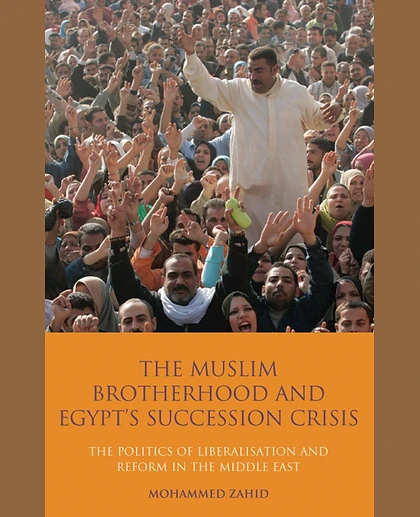
Muslim Brotherhood and Egypt's Succession Crisis: The Politics of Liberalisation and Reform in the Middle East
Summary
The relentless rise of the Muslim Brotherhood has secured them a leading role in the unsettled and uncertain landscapes of Egypt, a country shaken by revolution and revolt. A decisive victory in the first post-Mubarak elections cemented their standing, but how have they reached this position of dominance? Mohammed Zahid’s analysis of the Brothers’ conflict-filled history and steadily expanding presence throughout Egyptian society lays the groundwork for their current standing, and sheds light on the complex currents of Islamist politics and authoritarian rule that have coloured Egypt and the rest of the Arab world. Zahid delves into the tangle of Egyptian politics and jostling for power in recent years, that took place amid increasing pressure for reform and mounting socio-economic crisis, to unpick the fractured processes of liberalisation and the troubled relationship between the Muslim Brotherhood and the state. By charting the shifting sands of political and economic change from Nasser to Mubarak, Zahid illustrates the way in which the Brothers, despite being banned, managed to gain a foothold both and in and out of the political system, and to confront state power.