A Cultural History of Exploration: , Volume 6
A Cultural History of Exploration: , Volume 6
Summary
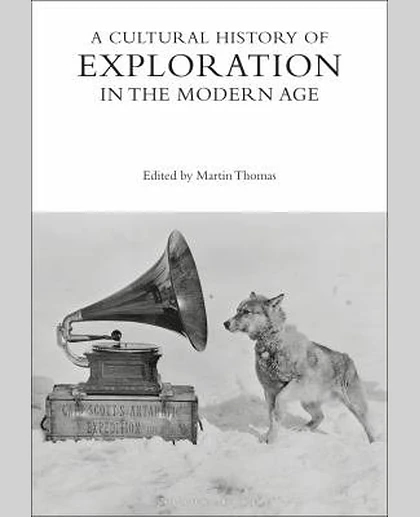
"The final volume of A Cultural History of Exploration chronicles the profound transformation in the purpose, perception, and practice of exploration in the twentieth century, an epoch when explorers went from being imperial heroes to postcolonial villains. The master narrative that once defined the explorer's quest began to atomize during a century that saw the catastrophe of two world wars, the dissipation of Europe's emires, and the collapse of communism. And, while space opened up a new frontier for exploration, it was tainted by association with the politics of the Cold War. Meanwhile conventional earth-bound exploration was gradually redefined: no longer a "there-and-back" journey through the wilderness, it became more focused on scientific research and technological exchange--less male, more collaborative and multicultural. It also became concerned with its own afterlife; for example, the repossession of cultural objects by communities which were once robbed of those objects by earlier generations of explorers. What emerges is the resilience of exploration as an idea, a practice, a method, a myth, and a metaphor"--