Cinematic Time in the Odyssey: Deleuze’s “Crystal Images” in Homer, 1st Edition
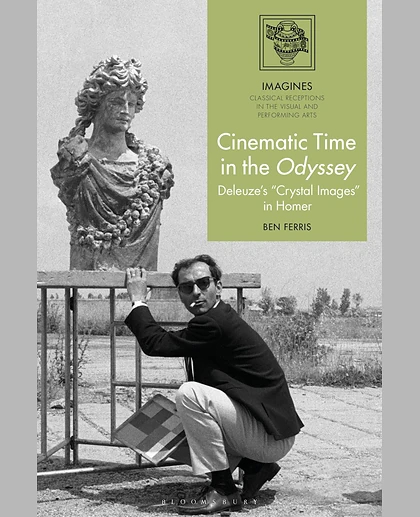
Cinematic Time in the Odyssey: Deleuze’s “Crystal Images” in Homer, 1st Edition
Summary
Through the lens of Gilles Deleuze's philosophy and film theory, this book explores how time operates in Homer's Odyssey. Using Deleuze's concept of the “crystal image”, which illustrates the non-linear nature of past, present, and future, author Ben Ferris examines the Odyssey's temporal complexities alongside key films. Each chapter engages with a distinct aspect of time: metapoetics, trauma, and the afterlife.
Case studies of iconic films highlight each of these three temporal aspects of Homeric epic. Alain Resnais' Last Year at Marienbad (1961) and Jean-Luc Godard's Contempt (1963) illuminate metapoetics. Resnais' Hiroshima mon amour (1959) explores trauma, while Theo Angelopoulos' Ulysses' Gaze (1995) and Coppola's Apocalypse Now (1979) engage with death and the afterlife. Applying Deleuze's theory places modern films in dialogue with ancient epic, to offer fresh insights into Homeric temporality and the Odyssey's themes of metapoetics, trauma, and death.