A Black and White Case: How Affirmative Action Survived Its Greatest Legal Challenge, 1st Edition
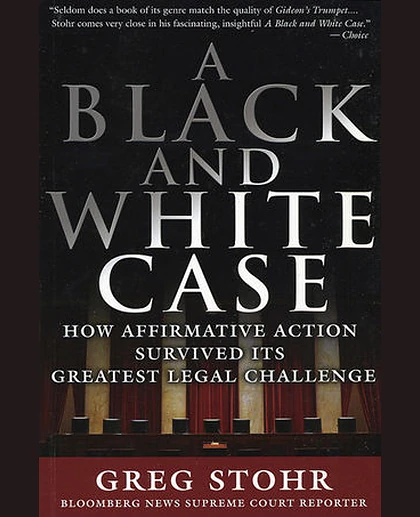
A Black and White Case: How Affirmative Action Survived Its Greatest Legal Challenge, 1st Edition
Summary
In the late 1990s, two lawsuits by white applicants who had been rejected by the University of Michigan began working their way through the federal court system, aimed at the abolition of racial preferences in college admissions. The stakes were high, the constitutional questions profound, the politics and emotions explosive. It was soon evident that the matter was headed for the highest court in the land, but there all clarity ended. To the plaintiffs and the feisty public-interest law firm that backed them, the suits were a long overdue assault on reverse discrimination. The Constitution, strictly construed, was color-blind. Discrimination under any guise was not only illegal, it was the wrong way to set history right in a nation that had been troubled and divided by the uses and misuses of race for more than two hundred years. To the University of Michigan, and to other to