Aortic Stenosis Percutaneous Intervention, 1st Edition
Aortic Stenosis Percutaneous Intervention, 1st Edition
Summary
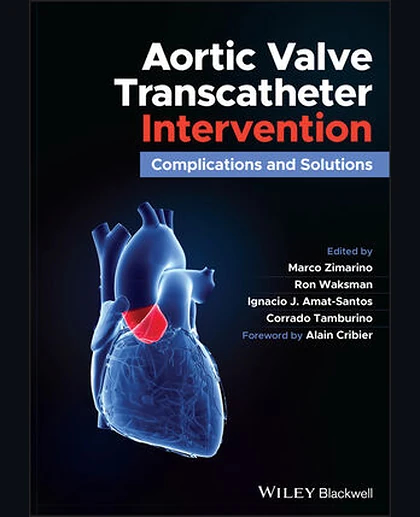
Aortic Valve Transcatheter Intervention Calcific aortic stenosis (AS) is the most common heart valve anomaly, with a largely age-dependent prevalence, a calculated annual incidence rate in the range of 4-5% in general populations and up to 6% in patients aged 75 years and over. Surgical aortic valve replacement (SAVR) was previously the only option available to patients with symptomatic, severe aortic stenosis. After the first-in-human transcatheter aortic valve implantation (TAVI) was performed by Alain Cribier in 2002, the treatment strategy for patients with symptomatic AS has been revolutionized. Since then, TAVI has grown exponentially, as a result of accruing evidence demonstrating safety and efficacy, and reduced invasiveness compared with SAVR. TAVI devices are continuously expanding to include several valve design options. As this strategy is continuously evolving to