Ashgate Handbook of Cardiovascular Agents, 1st Edition
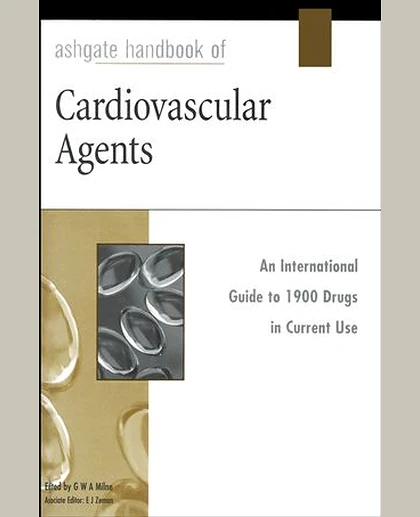
Ashgate Handbook of Cardiovascular Agents, 1st Edition
Summary
The cardiovascular system serves to carry essential compounds to the tissues and to remove metabolic by-products. It also plays an important role in maintaining homeostasis, and functions directly or indirectly in the regulation of body temperature, oxygen supply, nutrient distribution, water and electrolyte balance, and endocrine activity. Consisting of a pump, connecting tubes, exchange membranes and blood, this system is governed by a diverse and complex array of regulatory mechanisms, encompassing central neural, autonomic, endocrine, paracrine, and autocrine control. Drugs used in the treatment of cardiovascular disease are disseminated widely in western industrialized countries. In the US alone, nearly $18 billion was spent on drugs for the treatment of cardiovascular disease and stroke in 1999. This Handbook contains records for all the major drugs that directly affect