Copper-Catalyzed Amination of Aryl and Alkenyl Electrophiles, 1st Edition
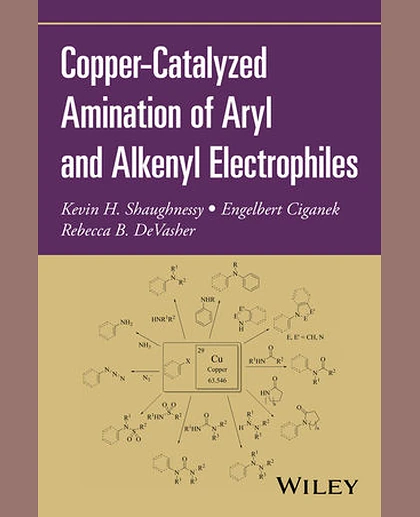
Copper-Catalyzed Amination of Aryl and Alkenyl Electrophiles, 1st Edition
Summary
The metal-catalyzed amination of aryl and alkenyl electrophiles has developed into a widely used methodology for the synthesis of natural products, active pharmaceutical ingredients, agricultural chemicals, and materials for molecular electronics. Copper catalysts promote the coupling of a wide range of nitrogen nucleophiles, including amines, amides, and heteroaromatic nitrogen compounds with aryl and alkenyl halides. The reactivity profile of copper catalysts is complementary to that of palladium catalysts in many cases. Copper catalysts are highly effective with less nucleophilic nitrogen nucleophiles, such as amides and azoles, whereas palladium catalysts are more effective with more nucleophilic amine nucleophiles. Copper is an attractive alternative to palladium due to its significantly lower cost. In addition, high activity palladium catalysts require expensive and oft